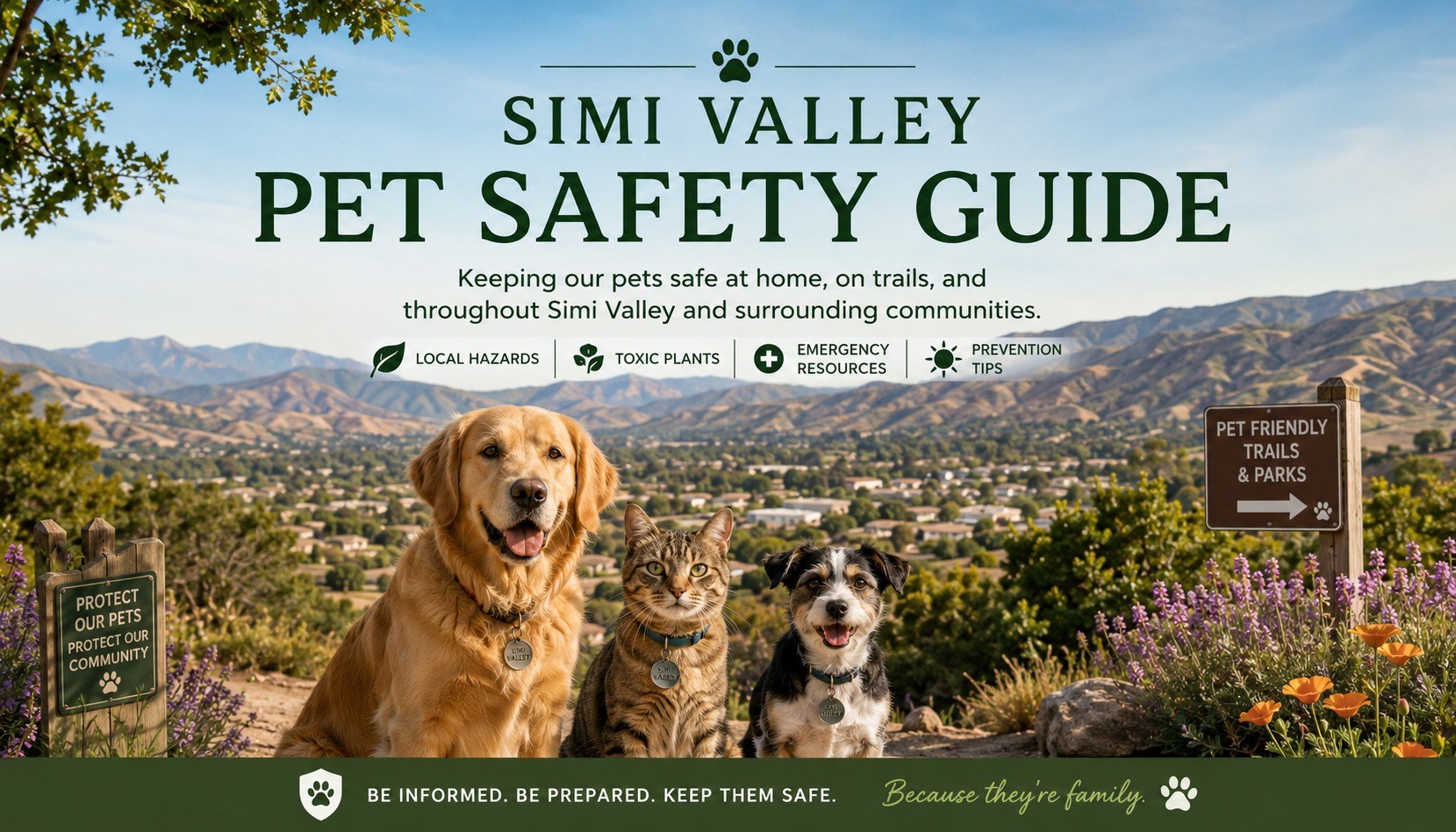
Why This Guide Matters
Many popular houseplants and drought-tolerant landscape plants found throughout Simi Valley can be toxic to pets. From the Sago Palms that dot our neighborhoods to the Lilies that brighten our homes, these beautiful plants can pose serious health risks to our four-legged family members.
Knowing which plants are dangerous—and recognizing symptoms early—can help prevent a medical emergency and potentially save your pet's life. This guide is designed specifically for pet owners in Simi Valley, Moorpark, Thousand Oaks, Chatsworth, and surrounding Ventura County communities who want to create beautiful, safe environments for their pets.
Why Simi Valley?
Our Mediterranean climate and ongoing water conservation efforts have made drought-tolerant landscaping increasingly popular. While these plants help save water, some of the most common choices—like Oleander, Lantana, and Sago Palms—can be highly toxic to pets.
This guide will help you make informed decisions about your landscape while keeping your furry friends safe.
Most Dangerous Plants for Dogs and Cats
The following plants pose the greatest risk to pets. If you have these in your home or yard, consider removing them or ensuring your pets cannot access them.
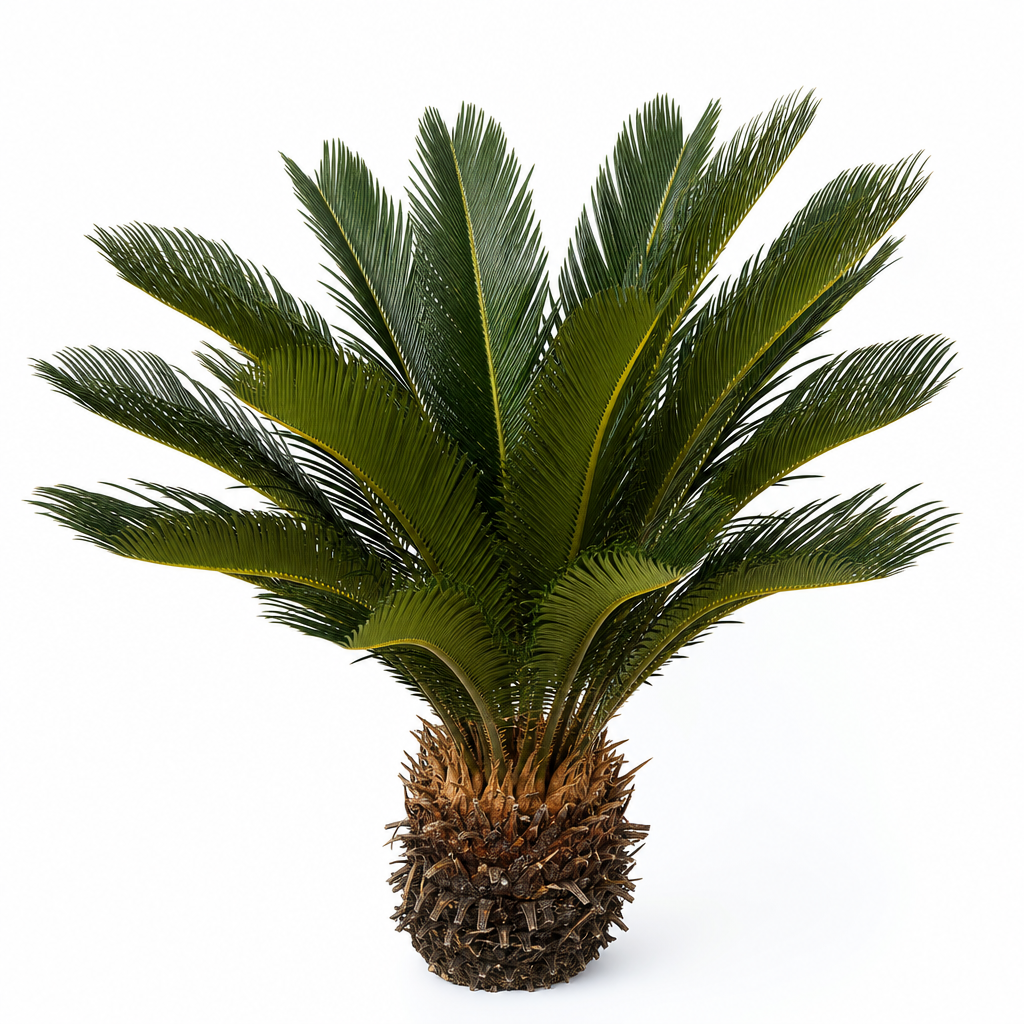 Extreme Danger
1. Sago Palm
Cycas revoluta
Symptoms: Vomiting, diarrhea, lethargy, seizures, liver failure
Note: One of the most dangerous ornamental plants. All parts toxic, especially seeds.
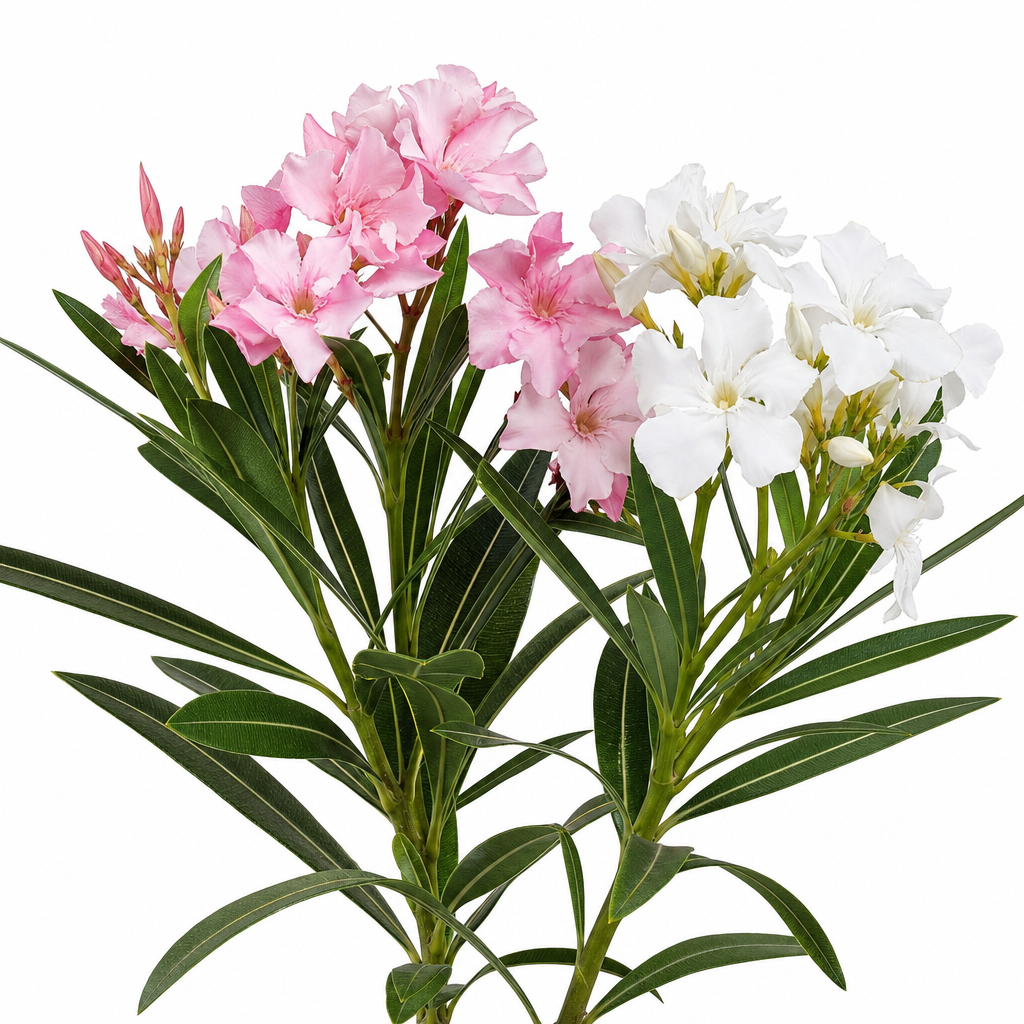 Extreme Danger
2. Oleander
Nerium oleander
Symptoms: Drooling, vomiting, heart rhythm abnormalities, collapse
Note: Common in Southern California. Toxic to pets and humans.
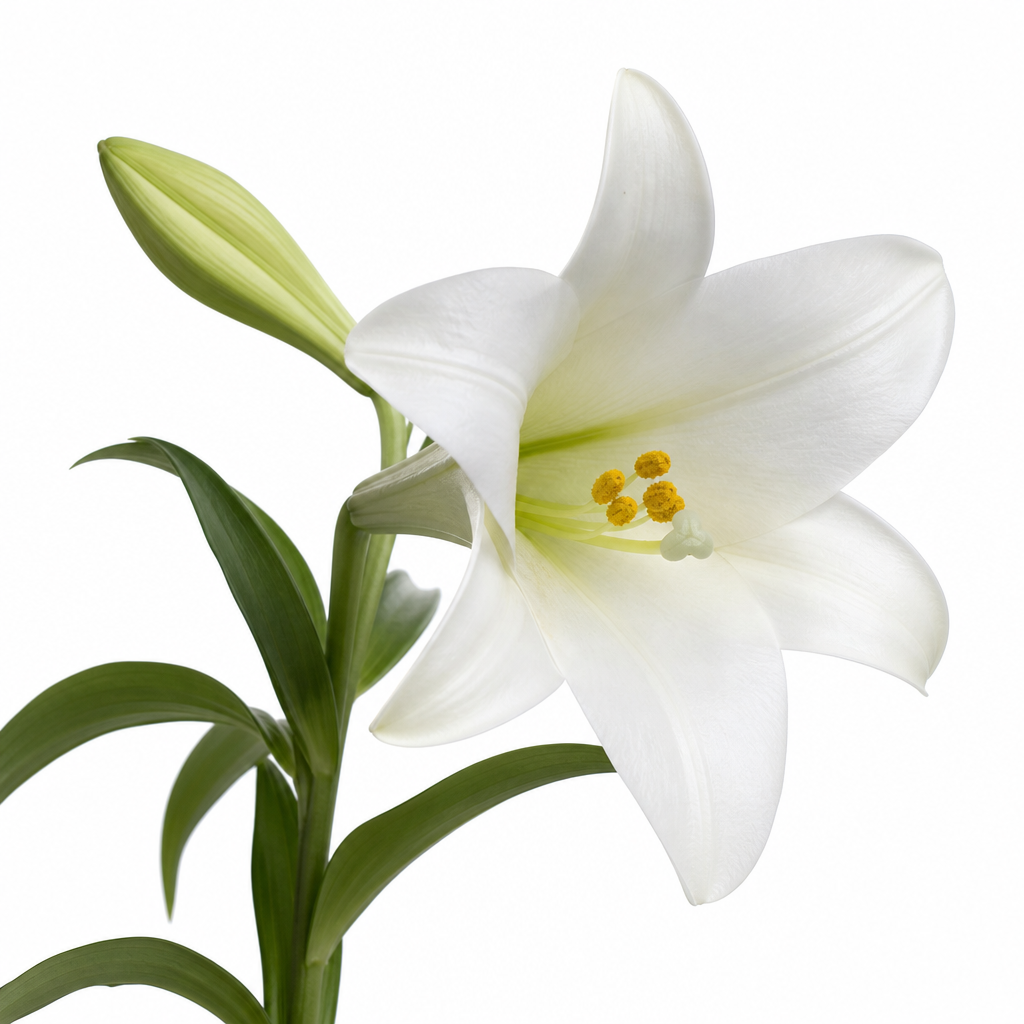 Extreme (Cats)
3. Lilies
Various species
Symptoms: Vomiting, lethargy, kidney failure in cats
Note: Even small exposure dangerous for cats. Includes Easter, tiger, stargazer lilies.
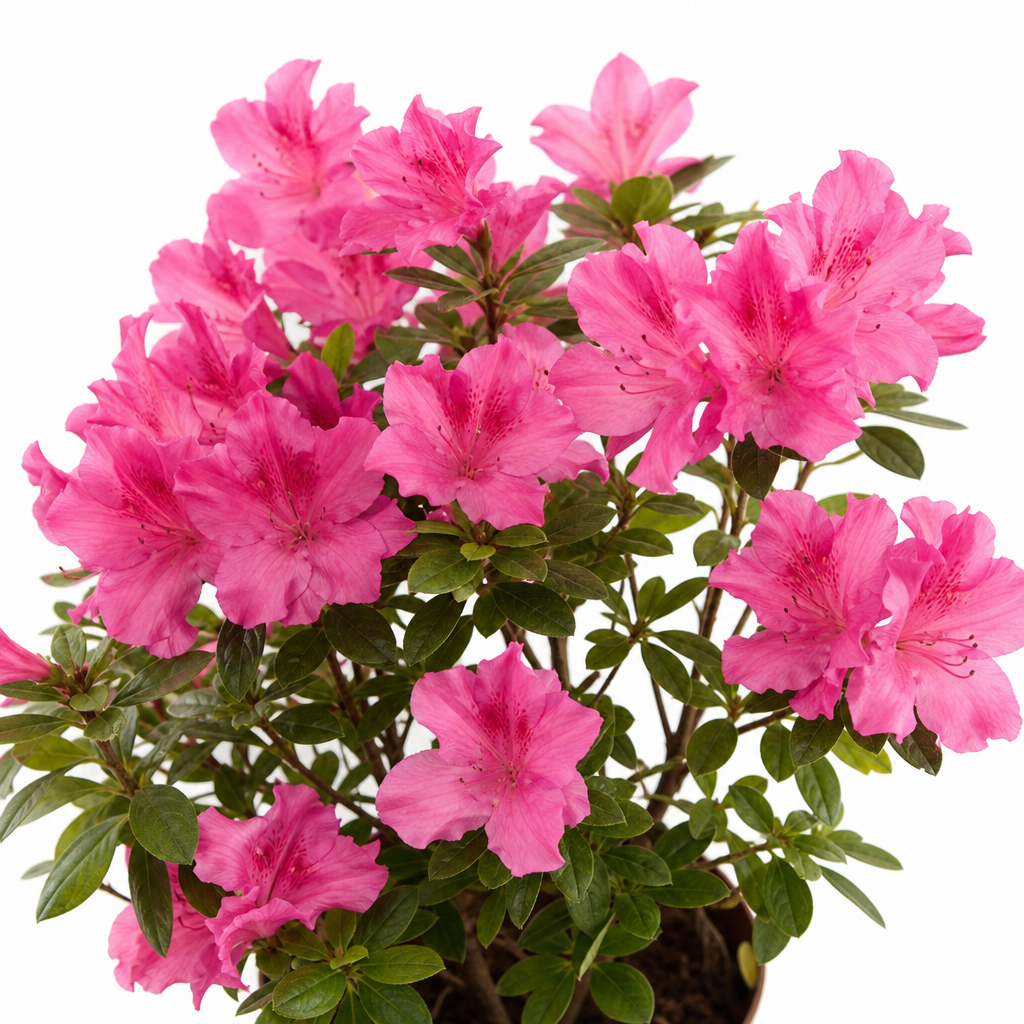 High Danger
4. Azalea / Rhododendron
Rhododendron species
Symptoms: Vomiting, weakness, drooling, heart complications
Note: Popular flowering shrub. Serious cardiovascular effects.
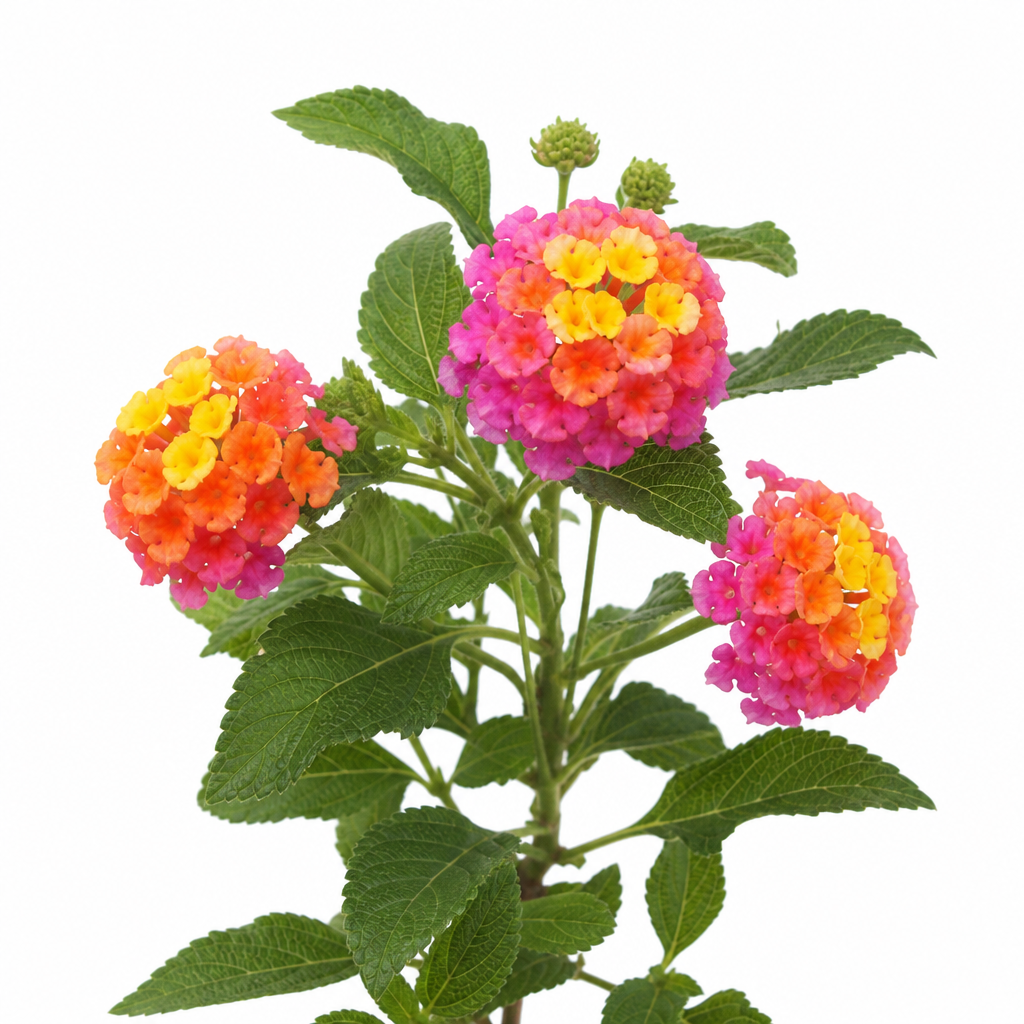 High Danger
5. Lantana
Lantana camara
Symptoms: Digestive upset, weakness, possible liver damage
Note: Common drought-tolerant shrub. Berries are most toxic.
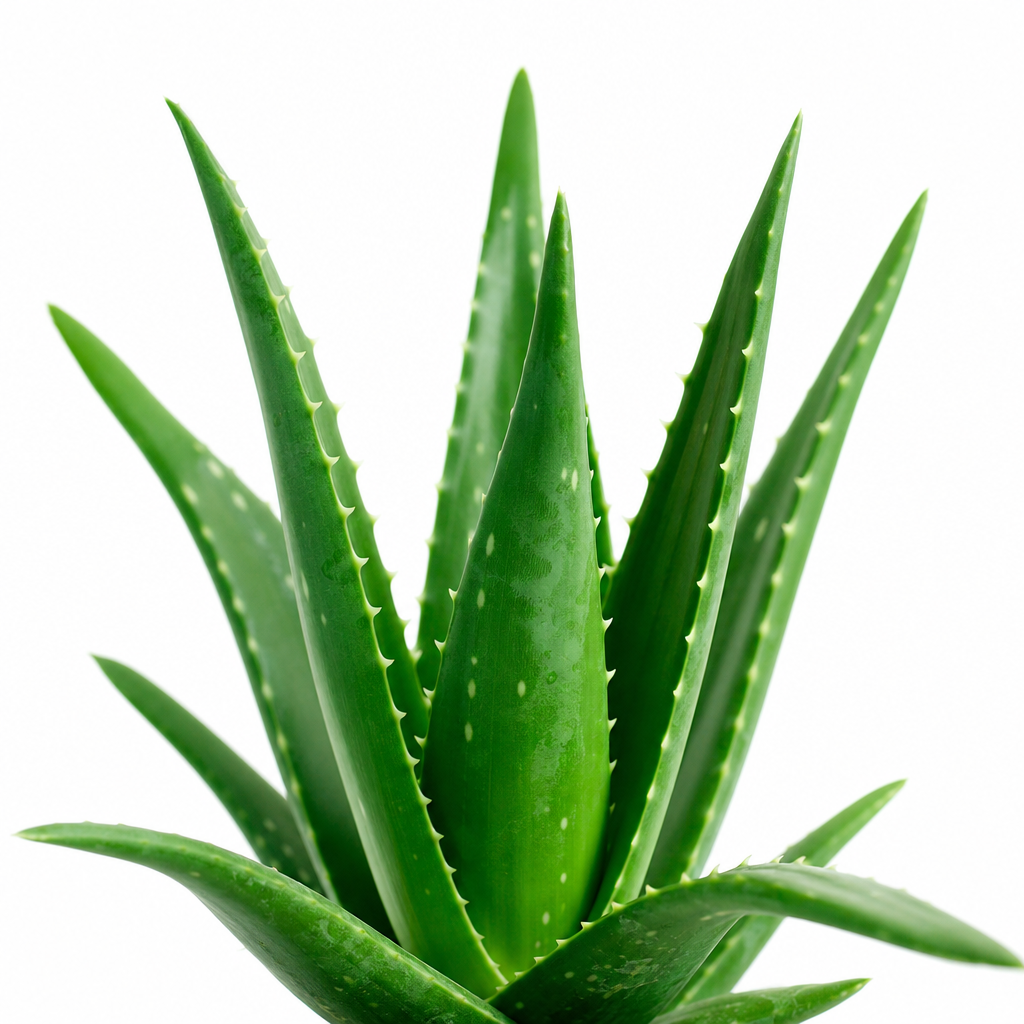 Moderate
6. Aloe Vera
Aloe barbadensis miller
Symptoms: Vomiting, diarrhea, lethargy
Note: Popular medicinal plant. Latex under skin is most toxic.
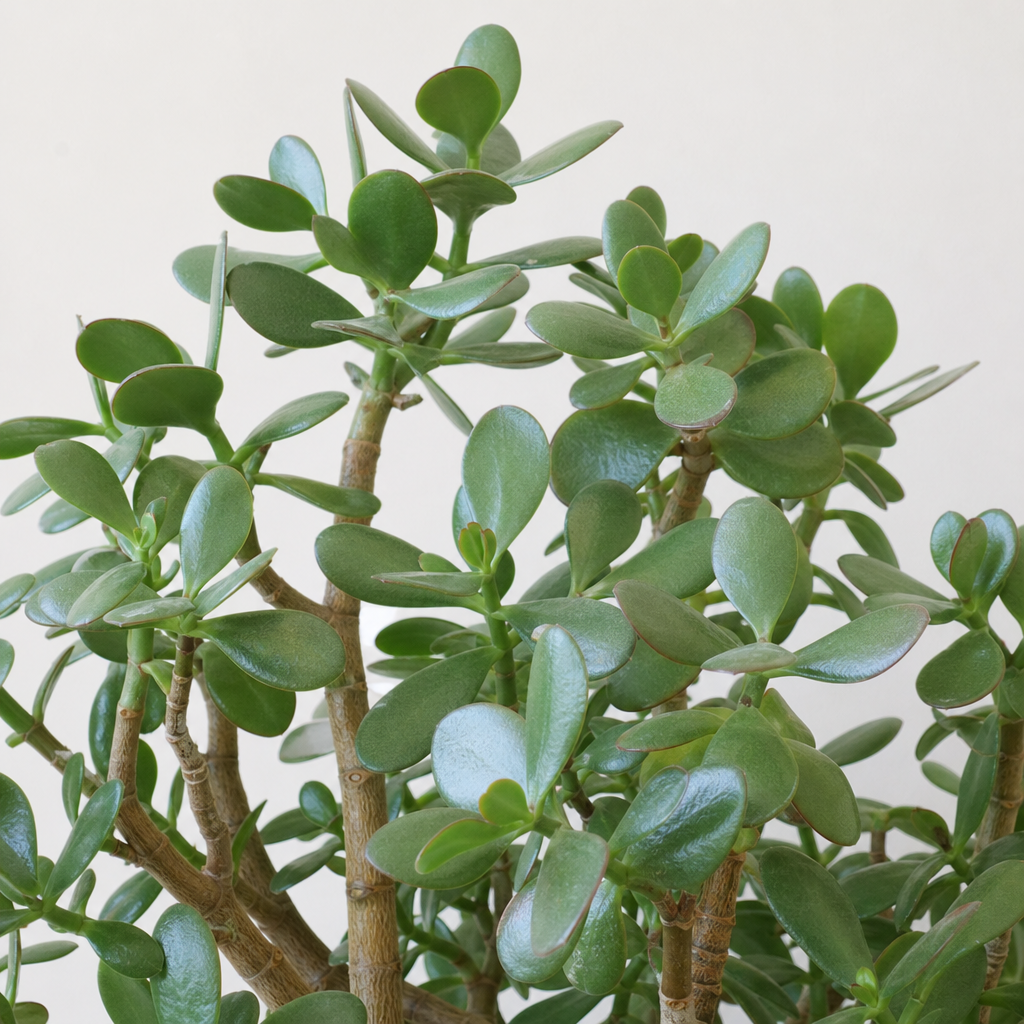 Moderate
7. Jade Plant
Crassula ovata
Symptoms: Vomiting, loss of coordination, lethargy
Note: Popular succulent. Also called Money Plant.
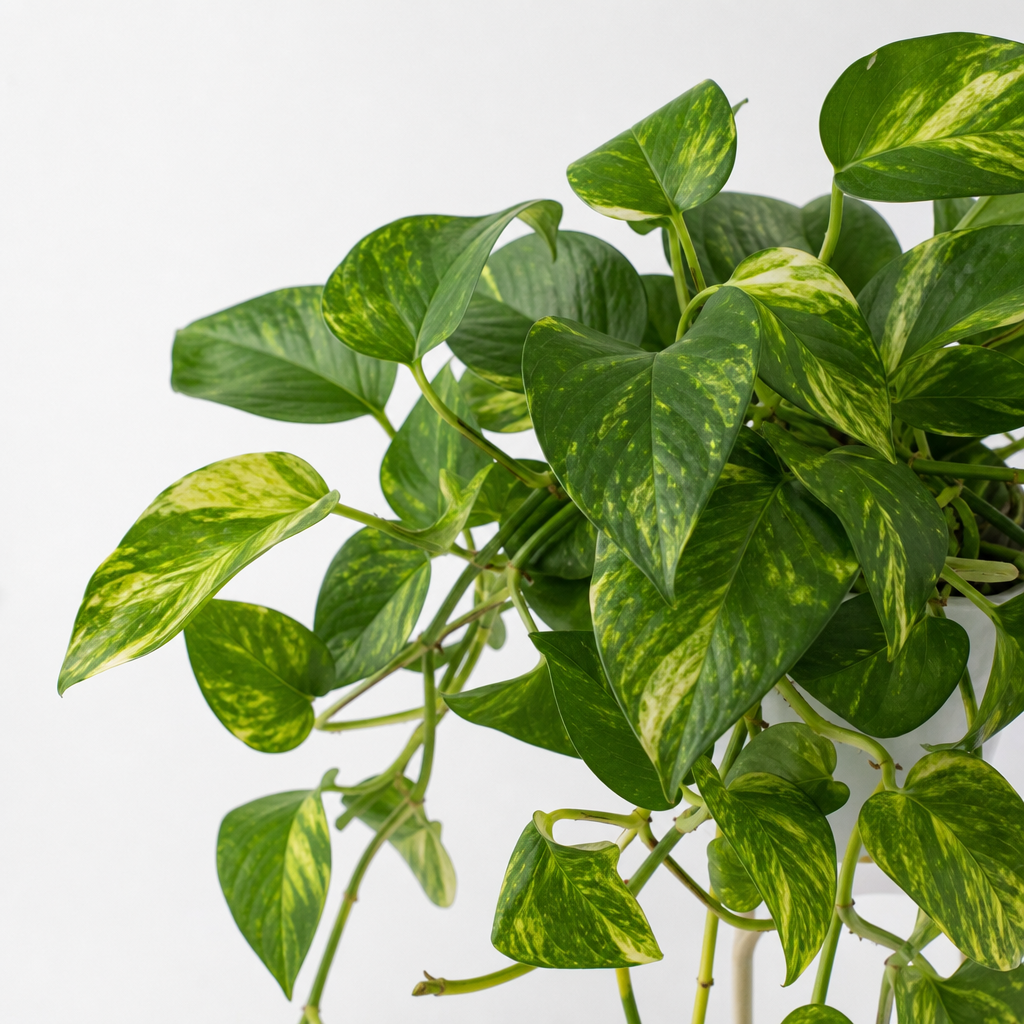 Moderate
8. Pothos
Epipremnum aureum
Symptoms: Mouth irritation, drooling, vomiting
Note: Very common houseplant. Causes immediate oral irritation.
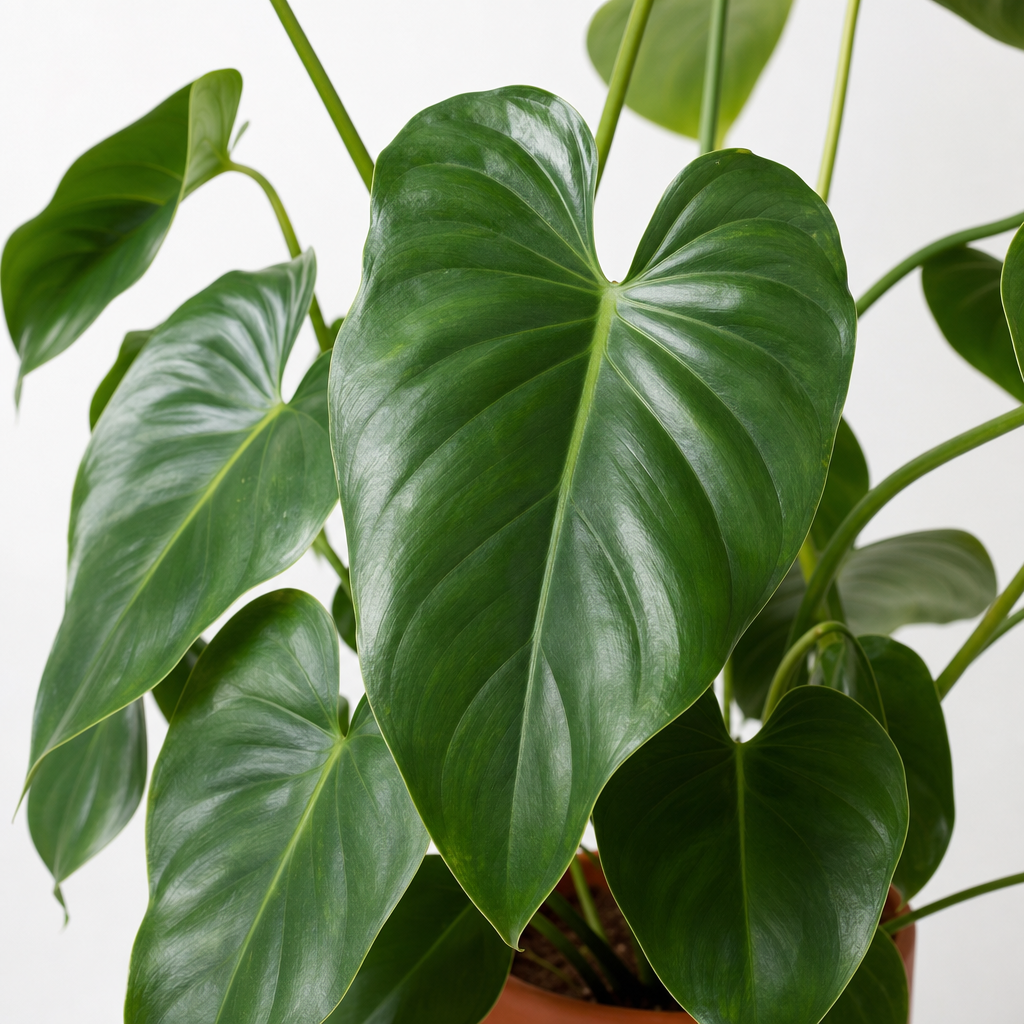 Moderate
9. Philodendron
Philodendron species
Symptoms: Oral irritation, swelling, difficulty swallowing
Note: Contains calcium oxalate crystals.
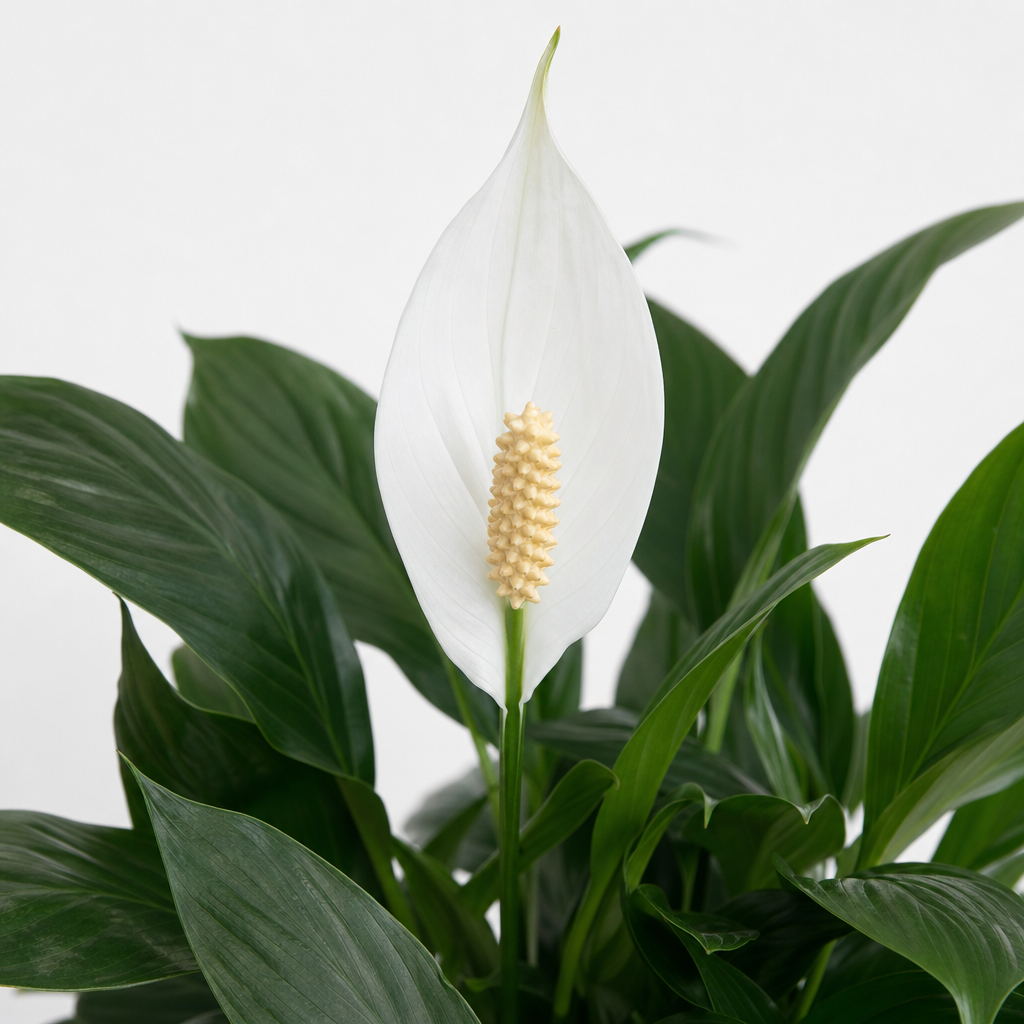 Moderate
10. Peace Lily
Spathiphyllum
Symptoms: Oral irritation, drooling, vomiting
Note: Not a true lily, but still irritating to pets.
Common Simi Valley Drought-Tolerant Plants
Use this quick-reference table when planning your water-wise landscape:
| Plant Name | Pet Safe? | Rating | Drought Tolerant? | Notes |
|---|---|---|---|---|
| Oleander | No | 🔴 TOXIC | Yes | Highly dangerous if ingested |
| Lantana | No | 🔴 TOXIC | Yes | Digestive & liver issues |
| Aloe Vera | No | 🟡 CAUTION | Yes | Can cause vomiting & diarrhea |
| Agave | Use Caution | 🟡 CAUTION | Yes | Spines & sap may irritate |
| Bird of Paradise | Use Caution | 🟡 CAUTION | Moderate | May cause nausea |
| Red Yucca | Generally Safe | 🟢 SAFE | Yes | Watch for sharp leaves |
| California Lilac | Generally Safe | 🟢 SAFE | Yes | Pet-friendly native option |
| Lavender | Use Caution | 🟡 CAUTION | Yes | Can cause mild stomach upset |
| Rosemary | Generally Safe | 🟢 SAFE | Yes | Pet-friendly & drought tolerant |
| Fireworks Fountain Grass | Generally Safe | 🟢 SAFE | Yes | Monitor chewing |
| California Sage | Generally Safe | 🟢 SAFE | Yes | Native pet-friendly option |
🌿 Special Spotlight: Fireworks Fountain Grass
Pennisetum 'Fireworks'
A colorful ornamental grass with pink, burgundy, green, and cream foliage often used in low-water Southern California landscapes.
Possible Issues: Eating large amounts of ornamental grass can cause mild stomach upset, vomiting, or irritation.
Design Tip: Fireworks Fountain Grass adds beautiful color to Simi Valley landscapes while being one of the safer ornamental grass options for pet owners. Its variegated foliage provides year-round interest with minimal water requirements—perfect for our Mediterranean climate.
Warning Signs of Plant Poisoning
Know the symptoms that indicate your pet may have ingested a toxic plant:
🐕 Excessive drooling
🤢 Vomiting
💩 Diarrhea
👅 Pawing at the mouth
🍽️ Loss of appetite
😴 Lethargy or weakness
😮💨 Difficulty breathing
😰 Tremors or shaking
⚡ Seizures
😵 Collapse
Time is Critical: Some toxins act quickly. If you suspect plant poisoning, don't wait to see if symptoms worsen. Early intervention can make the difference between a full recovery and serious complications.
What To Do If Your Pet Eats a Toxic Plant
Follow these steps immediately if you suspect your pet has ingested a toxic plant:
Remove Access
Remove your pet from the area and ensure they cannot access the plant anymore.
Move to Safety
Move your pet to a safe, quiet area where you can monitor them.
Document
Take photos of the plant, including leaves, flowers, berries, seeds, and any chewed pieces.
Check Mouth
Remove plant material from your pet's mouth only if it is safe to do so.
Call Your Veterinarian
Call your veterinarian immediately. Describe the plant and your pet's symptoms.
Contact Poison Control
Contact a pet poison hotline if your vet recommends it or if the plant is known to be highly toxic.
Emergency Contacts
Keep these numbers saved in your phone:
ASPCA Animal Poison Control
(888) 426-4435
24/7 professional poison control
Fee may apply
Pet Poison Helpline
(855) 764-7661
24/7 veterinary toxicology help
Fee may apply
Ventura County Animal Services
(805) 388-4341
Local animal control & services
Simi Valley location
Local Address:
Simi Valley Animal Shelter
670 W. Los Angeles Ave.
Simi Valley, CA 93065
Pet-Safe Plant Alternatives
Create a beautiful landscape or indoor garden with these pet-friendly options:
🌻 Sunflower
Helianthus annuus
Cheerful seasonal blooms that add height and color.
🌹 Rose
Rosa species
Classic beauty. Watch out for thorns on paws.
🌸 Snapdragon
Antirrhinum majus
Colorful spiky flowers, great for borders.
🌼 Marigold
Tagetes species
Bright, easy to grow, natural pest deterrent.
🕷️ Spider Plant
Chlorophytum comosum
Air-purifying, easy care, pet-friendly.
🪻 African Violet
Saintpaulia
Beautiful indoor blooms, safe for pets.
🌴 Areca Palm
Dypsis lutescens
Elegant, non-toxic palm option.
🌿 California Lilac
Ceanothus
Native, drought-tolerant, beautiful blue flowers.
🌱 Rosemary
Salvia rosmarinus
Edible & ornamental. Drought-tolerant herb.
🍃 California Sage
Salvia species
Native, pollinator-friendly, aromatic.
Before You Bring a New Plant Home
Use this checklist to ensure your new plant is safe for your furry family members:
Creating a Pet-Friendly Simi Valley Yard
🌱 Choose Native Plants
Select native California plants whenever possible. They're adapted to our climate and often pet-friendly.
🚫 Avoid Toxic Ornamentals
Skip highly toxic plants like Oleander and Sago Palm in pet-accessible areas.
🌿 Use Pet-Safe Mulch
Choose pet-safe mulch and ground cover. Avoid cocoa mulch which is toxic to dogs.
⚠️ Watch New Plantings
Keep pets away from newly planted landscaping until plants are established.
✅ Verify Before Buying
Check plant safety before purchasing from nurseries or home improvement stores.
👀 Watch for Hazards
Monitor for sharp plants, seed awns, berries, pods, and irritating sap.